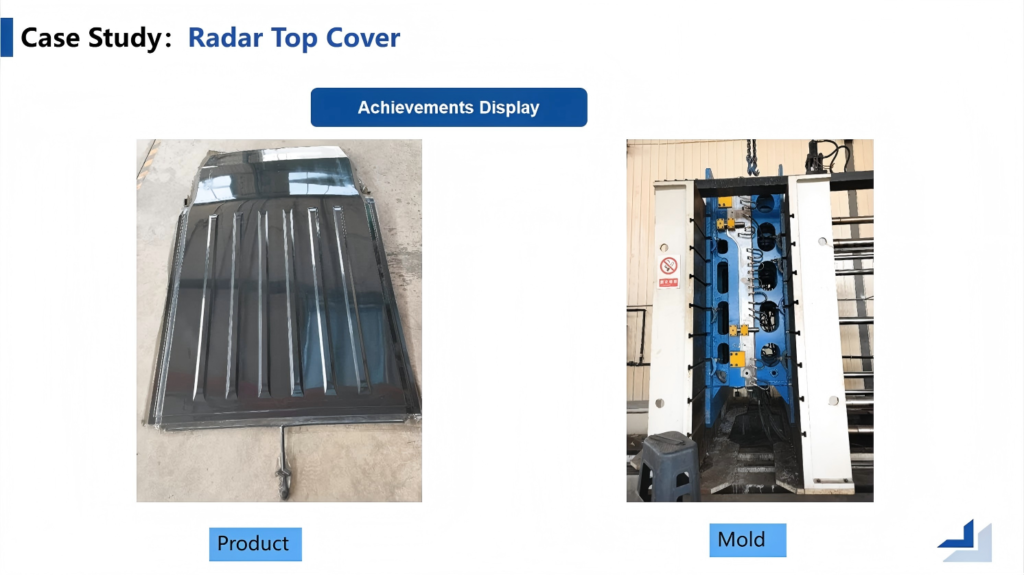
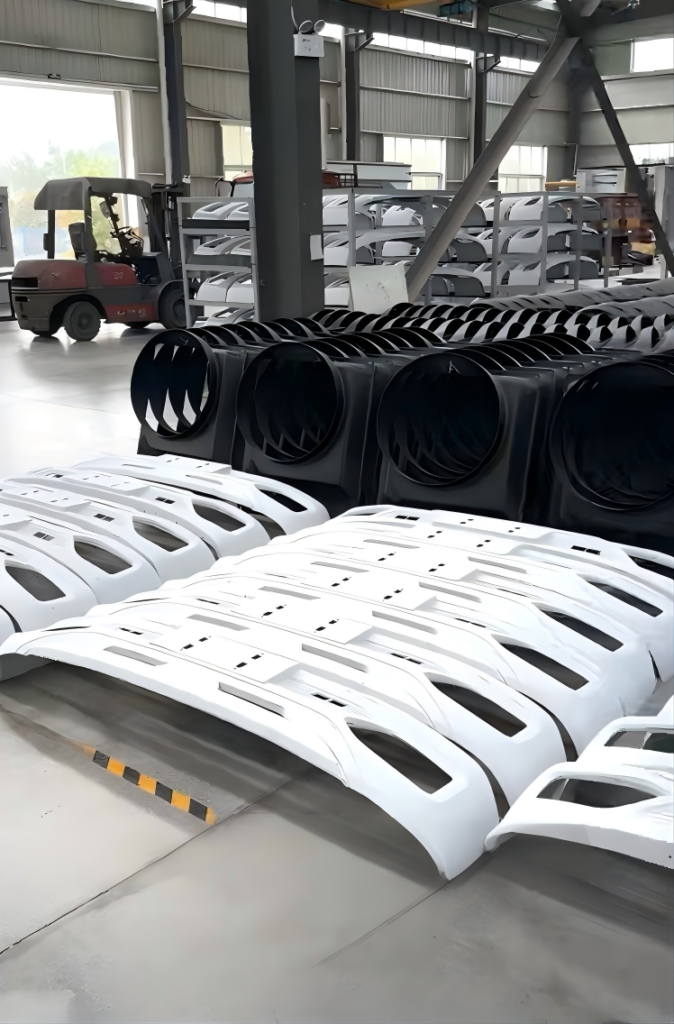
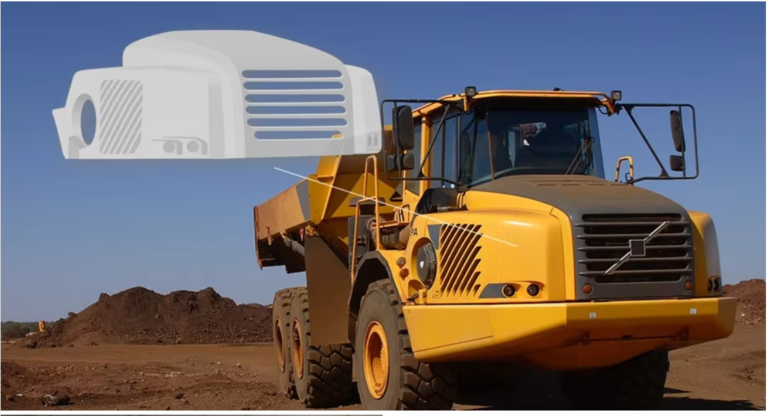
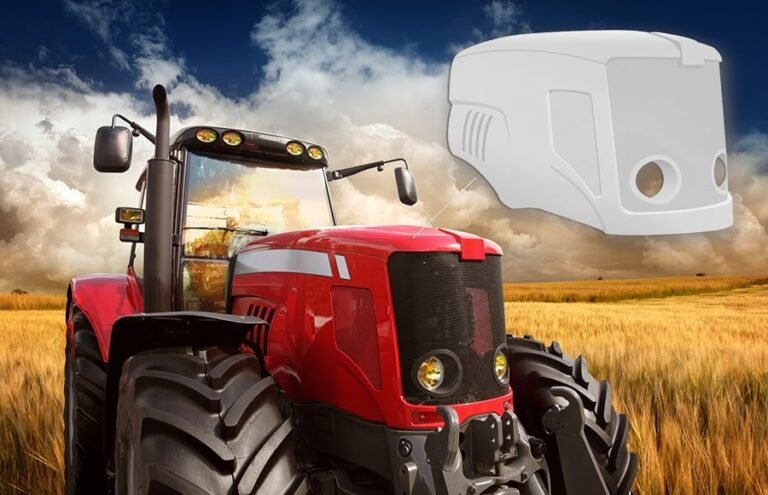
Lightweight High Impact-Resistant Weather Resistance & Corrosion Resistance PDCPD Special Vehicle Exterior Parts
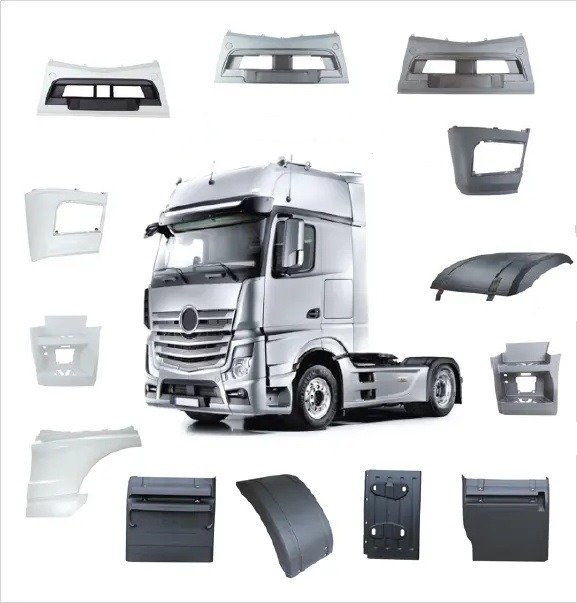
Polydicyclopentadiene (PDCPD) has become a preferred material for special vehicle exterior components (trucks, agricultural machinery, construction equipment, commercial vehicles) among global manufacturers. Its unique performance characteristics deliver unmatched value compared to traditional materials like FRP, SMC, and metal, addressing the core pain points of outdoor harsh working conditions and long-term use.
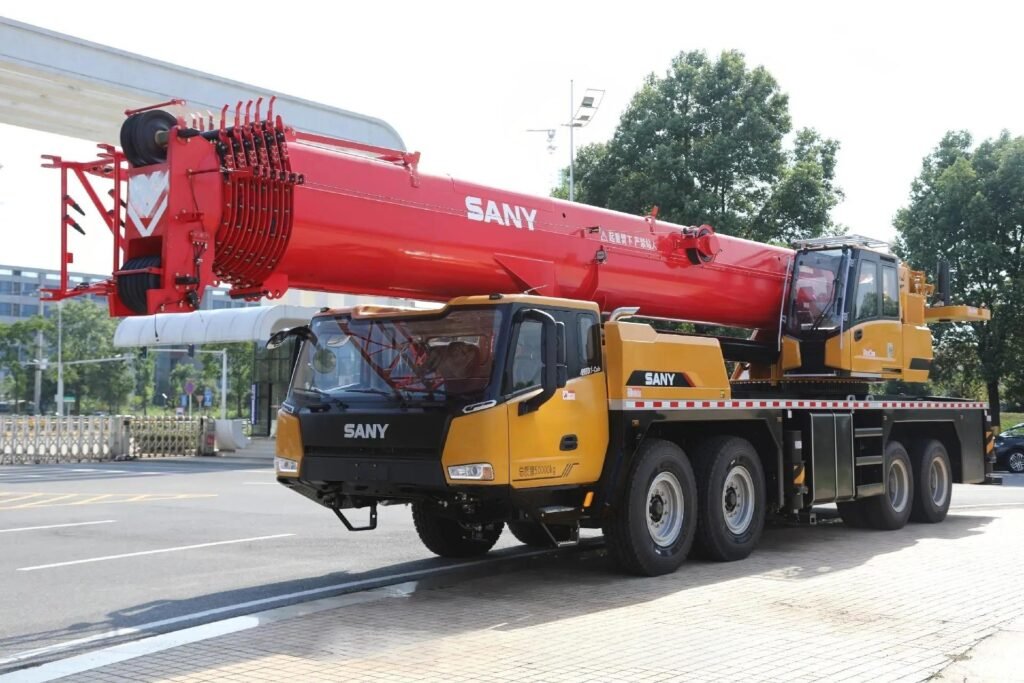
Lightweight & High Strength: Reduce Fuel Consumption & Enhance Load Capacity PDCPD offers an excellent strength-to-weight ratio—30% lighter than FRP and 50% lighter than metal components while maintaining superior structural rigidity. For special vehicles such as heavy-duty trucks and agricultural trailers, this lightweight advantage directly reduces overall vehicle weight, lowers fuel consumption by 8-12% (a key cost-saving factor for fleet operators), and increases payload capacity without compromising safety. It also simplifies installation and reduces transportation costs for exterior parts like hoods, bumpers, and deflectors.
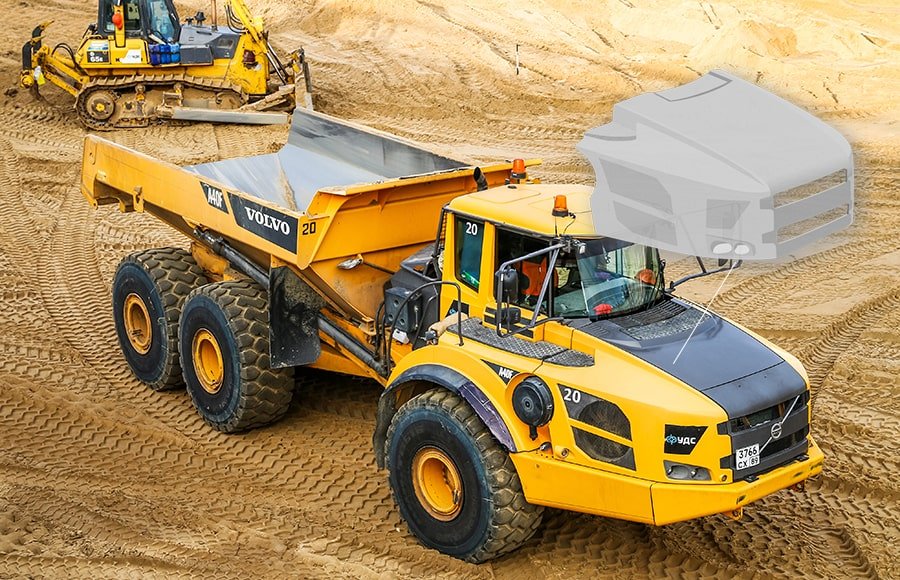
Excellent Corrosion & Weather Resistance: Long Service Life in Harsh Environments PDCPD is inherently resistant to corrosion from chemicals (fertilizers, pesticides, road salts), moisture, and UV radiation. It does not rust, fade, or degrade even under extreme weather conditions—from high-temperature deserts to cold, humid regions. For agricultural machinery and coastal-transport trucks, this resistance extends the service life of exterior parts to 8-10 years (2-3 times longer than FRP), eliminating the need for frequent repainting or replacement.
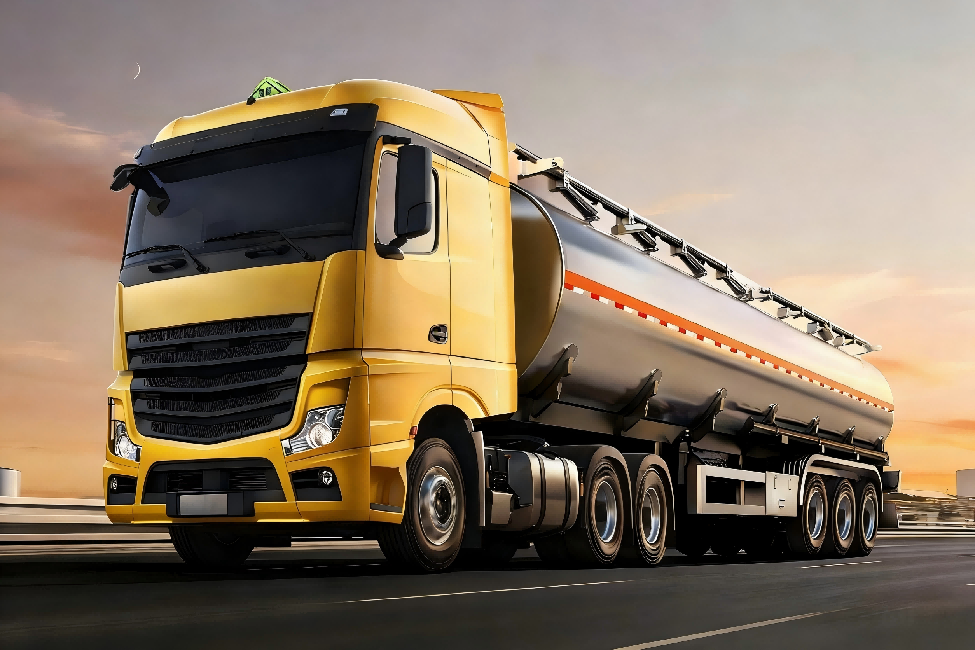
As a thermoset resin, PDCPD exhibits exceptional impact toughness—able to withstand collisions, gravel impacts, and heavy loads common in construction sites, farmlands, and off-road environments. Unlike brittle FRP parts that crack or shatter, PDCPD exterior components (spoiler, fender, mask) retain their shape and integrity after impact, reducing repair frequency and downtime. This is critical for commercial fleets and agricultural operations where vehicle availability directly affects productivity.